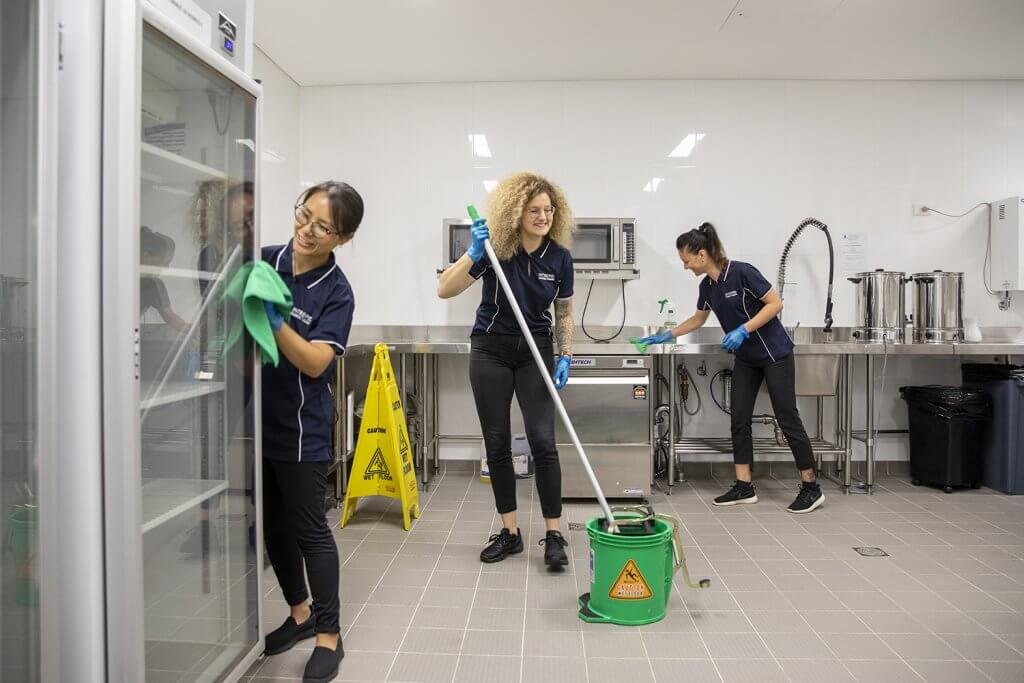
A clean and hygienic learning environment is essential for the health and well-being of students and staff. Schools, colleges, and universities see high foot traffic daily, making them potential breeding grounds for germs and bacteria.
Keeping these spaces clean is not just about appearances—it is crucial for preventing illnesses and promoting a healthy atmosphere for learning.
Why Hygiene Matters in Educational Institutions
Educational institutions bring together large groups of students, teachers, and staff in close proximity. Without proper hygiene measures, these environments can quickly become hotspots for infections.
Poor hygiene can lead to the spread of colds, flu, and other contagious illnesses, resulting in increased absenteeism and reduced academic performance.
Common Risks of Poor Hygiene:
- Spread of infectious diseases
- Increased sick leaves among students and staff
- Unpleasant odours and unsanitary conditions
- Reduced concentration and productivity
Key Areas That Need Regular Cleaning
Some areas in schools and universities require more frequent cleaning due to constant use. Here are the main hotspots that need attention:
1. Classrooms
Classrooms house students for long periods, making them a key area for germ build-up. Regular sanitisation of desks, chairs, and shared equipment helps keep students safe.
2. Toilets and Washrooms
Washrooms need special attention, as they are the most prone to bacterial contamination. Daily disinfection and adequate supplies of soap and hand towels are necessary.
3. Common Areas and Playgrounds
Cafeterias, hallways, and playgrounds see heavy foot traffic. These areas should be cleaned multiple times a day to prevent the spread of germs.
4. Libraries and Laboratories
Shared books, computers, and lab equipment must be wiped down regularly to avoid the transfer of bacteria.
Effective Cleaning Practices for Schools
Maintaining hygiene in educational institutions requires a structured approach. Here are some practical cleaning measures:
- Daily sweeping and mopping of all classrooms and common areas.
- Regular disinfection of desks, doorknobs, and shared equipment.
- Proper waste disposal to prevent the accumulation of rubbish.
- Hand sanitising stations at key points to encourage good hygiene habits.
Recommended Cleaning Frequency for Key Areas:
| Area | Cleaning Frequency |
| Classrooms | Daily |
| Washrooms | Multiple times a day |
| Cafeterias | After each break |
| Playgrounds | Weekly |
| Libraries | Twice a week |
| Laboratories | After each practical session |
The Role of Professional Cleaning Services
Many institutions turn to professional cleaners to maintain hygiene standards. Companies that specialise in Education Facilities Cleaning Services offer tailored solutions to ensure a thorough and consistent cleaning routine. Their expertise ensures that all areas meet hygiene standards and remain safe for students and staff.
Teaching Hygiene Habits to Students
While cleaning is important, educating students on hygiene practices is equally vital. Schools should encourage:
- Regular hand washing
- Proper use of hand sanitisers
- Covering mouth and nose when sneezing or coughing
- Keeping personal spaces tidy
By fostering these habits, schools can significantly reduce the spread of infections and create a healthier environment for everyone.
Conclusion
Hygiene in educational institutions should never be overlooked. Regular cleaning, along with educating students on good hygiene habits, helps prevent illnesses and keeps schools running smoothly.
Professional Education Facilities Cleaning Services can also play a key role in maintaining high cleanliness standards. A clean learning environment leads to healthier students, better attendance, and improved academic performance.
Leave a Reply